There is something truly rewarding about shaping clay with your own hands. Whether sitting at a table anywhere in the world or exploring new hobbies from home, stepping into the world of clay offers a chance to unwind and express yourself.
At Elzinga Art, I’ve seen first-hand how simple clay techniques can spark creativity in both newcomers and curious artists. Clay is a versatile material, perfect for experimenting or creating those unique, one-of-a-kind treasures.
This introduction is the first step in turning a lump of clay into a beautiful creation.
In this lesson, you'll learn foundational clay techniques—essential skills for sculpture, pottery, or craft projects.
Each section includes step-by-step picture descriptions to help you visualise each process. Ready to get your hands a little messy and discover why clay crafting has inspired people for centuries?
Let’s begin this journey where creativity is shaped by your imagination.
Pinch Pots Open Doors To Clay Crafting
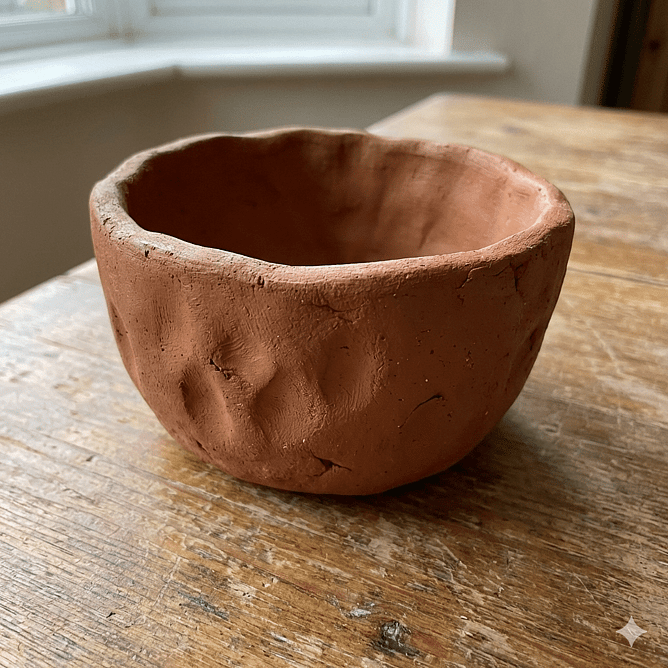
The pinch pot is often the very first project for clay explorers, yet it holds endless potential. This technique involves forming a basic bowl shape by pinching the clay between your fingers and thumb.
Start with a ball of clay—about the size of a golf ball. Gently press your thumb into the centre, then turn and pinch the walls evenly as you slowly open the form. The walls should be about one centimetre thick for stability.
Pinch pots can become decorative bowls, small cups, or bases for animal or plant sculptures. Experiment with smoothing tools or add details using stamps and textures collected from around your home—like leaves or shells. This technique teaches not just basic hand-building skills but also encourages creative problem-solving as you discover how your approach impacts the final shape.
Coil Building For Creative Shapes And Textures
After practising pinch pots, many artists move on to coil building—another key clay technique. Coil building begins with rolling clay into long, even ropes. Lay the first coil in a spiral on a flat surface, then continue stacking coils carefully, blending and smoothing from the inside to join each new layer securely. This method allows for creative freedom, letting you build tall vases, wavy bowls, or even abstract sculptures.
Visualise these steps as you create:
Rolling a clay rope with both hands
Arranging the first spiral base on a wooden board
Stacking more coils to build height
Using fingers to blend joins for sturdy walls
Mixing thick and thin coils, or experimenting with coil placement, gives each piece a unique appearance. Look for inspiring patterns in everyday objects or out in local parks.
Coil building boosts patience and precision, showing how repetition and care lead to functional and beautiful results.
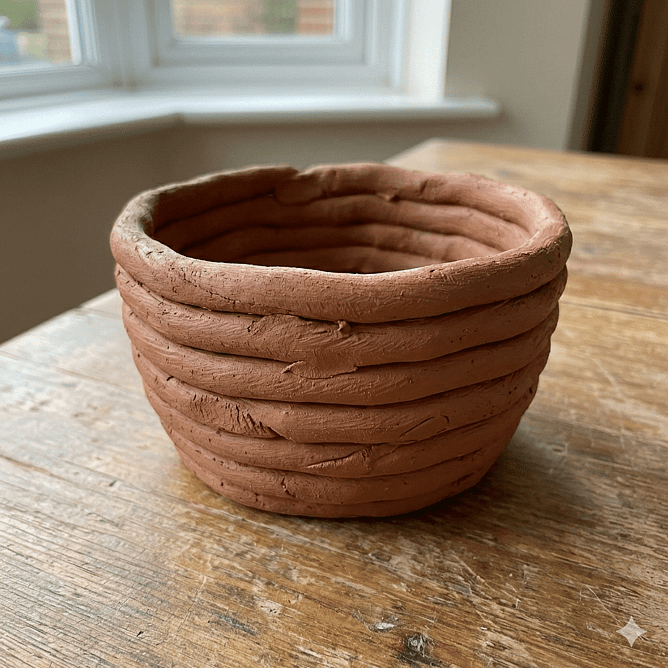
This image showing the coil pot at the half way stage
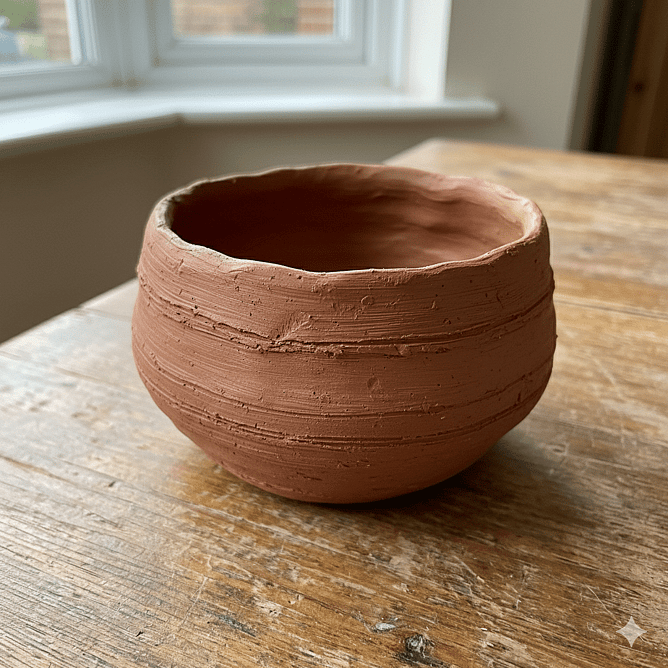
This image showing the coil pot outer and inner edges smoothed
Slab Construction Unlocks New Clay Possibilities
Working with slabs opens up endless clay possibilities. Slab construction uses flat sheets of clay, rolled out evenly with a rolling pin or bottle. Begin by patting your clay into a rectangle, then roll to a thickness of about half a centimetre. Carefully cut out shapes with a plastic knife—think rectangles, hearts, or freeform patterns. Lay these slabs over bowls or textured items to create interesting forms, or join slabs at the edges to build boxes and house-shaped vessels.
Picture to match: Picture these visuals:
Flattening clay with a rolling pin
Cutting straight edges using a ruler and knife
Draping a slab over an overturned bowl
Pressing textures like lace or leaves into the damp surface
This technique encourages planning and design, as you imagine how flat shapes can join into three-dimensional objects. Decorate the slabs before assembly or gently bend and shape them for surprising effects. Slab building is great for anyone wanting to experiment and create functional art or joyful keepsakes.
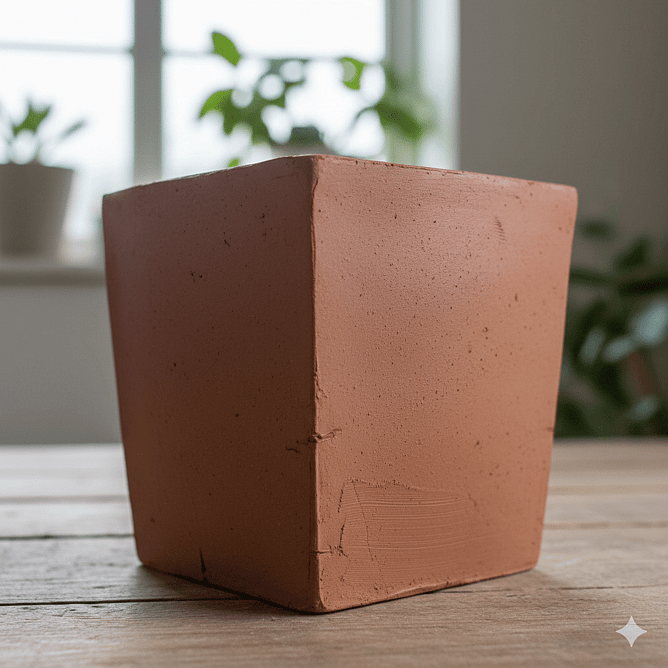
Basic Slab Pot
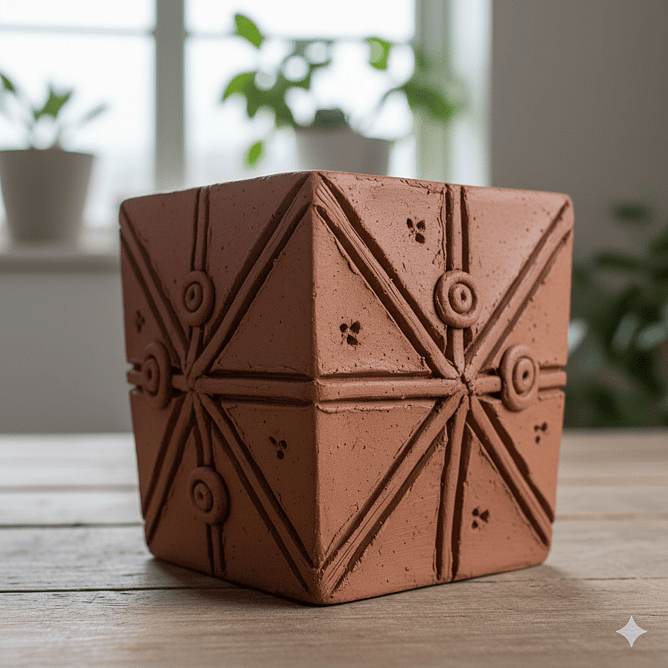
Decorated slab pot
Bring Clay Lessons To Life With Elzinga Art
Learning these fundamental clay techniques is a wonderful entry into the world of artistic expression. Pinch pots help to understand the basics, coil building encourages patience, and slab construction inspires creativity in design.
Practise these at home, in workshops, or with family and friends. Remember, each creation carries its own story and reflects your unique touch.
At Elzinga Art resources and guidance are always available to help you grow your skills. Use the techniques in this lesson as a springboard, and let inspiration from your surroundings feed into your next creation. Every bowl, vase, or sculpture is an opportunity to experiment and discover new ways to shape the world around you.