For many, the thought of upcycling might conjure images of dusty garage corners or piles of unwanted old furniture. Yet, in the heart of Australia adding fresh life to tired homewares isn’t just environmentally mindful – it’s a creative adventure.
Since 2000, I’ve seen how a bit of ingenuity, the right supplies, and a splash of paint can transform the most ordinary chair or shelf into a vibrant statement piece.
Upcycling isn’t about quick fixes or throwaway culture. It’s about discovering value in what’s already at hand, while letting your artistic side shine through.
Not only does this approach help divert waste from landfill, but it also opens up endless possibilities for self-expression.
If you've ever wondered how to start upcycling more consciously, or how your choices might affect the world around you, read on to discover some creative and practical ways to make sustainability a natural part of your art journey.
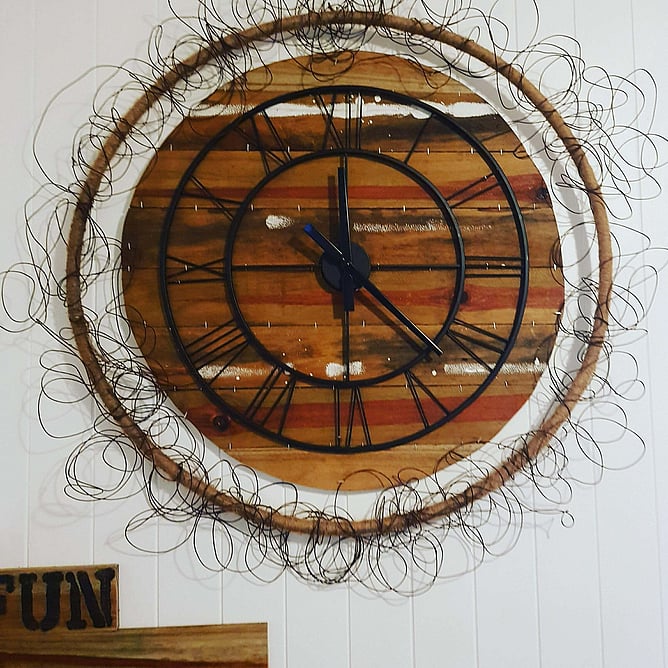
Choosing The Right Materials For Responsible Upcycling
One of the first steps I take before starting any upcycling project is selecting sustainable materials. Not all paints, adhesives, or finishes are created equal.
When working with furniture or homewares, I always opt for:
Water-based paints with low volatile organic compounds (VOCs)
Eco-friendly stains and finishes containing natural oils
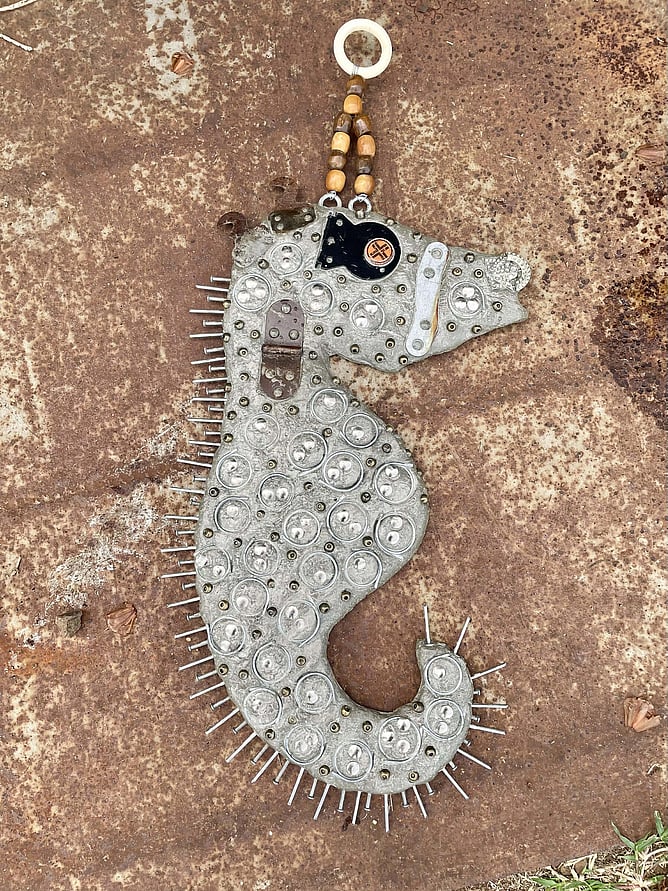
Salvaged timber, old hardware, or reclaimed metal
It’s surprising how much can be done with so little. Scraps from previous projects or found objects make great details, and old textiles can become new cushion covers or soft furnishings.
I also keep an eye out for durable surfaces that can be refreshed again and again, like wood, metal, and sturdy plastic.
By choosing wisely, each upcycling effort becomes kinder to both the project and the planet.
It’s helpful to remember that sustainable materials often come with their own stories, adding character and history to your final piece. The hunt for them can even spark new creative ideas!
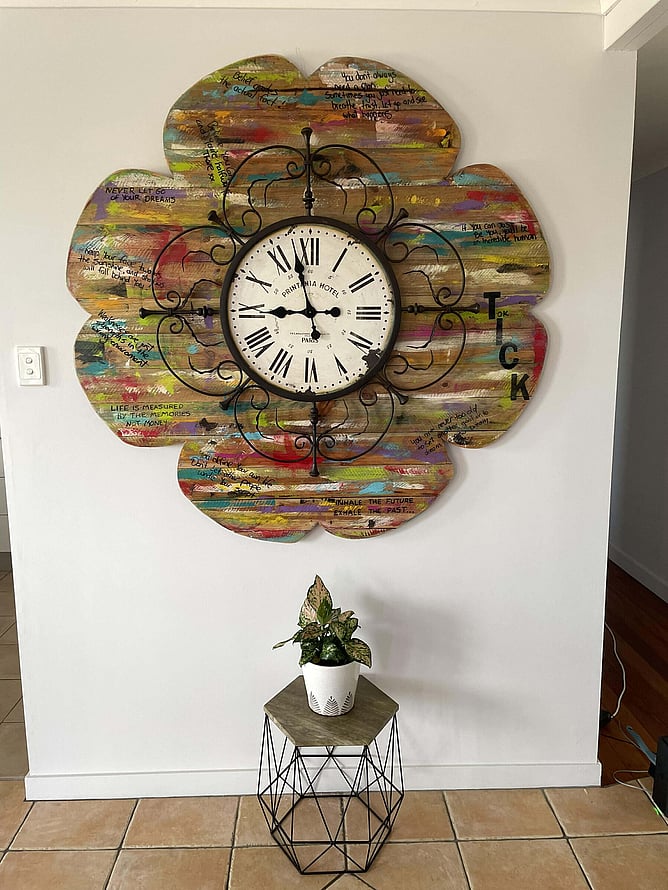
Creative Techniques That Transform Without Waste
Sustainability in upcycling doesn’t stop at material choices. The techniques I use also play a big role in reducing waste and maximising impact. My favourite methods include:
Decoupage: Covering tired surfaces with colourful paper or fabric scraps adds texture and charm
Stencilling: Giving plain pieces a new personality without needing to buy new furniture
Iron on patches: Quick, effective, and perfect for textiles or smaller homewares check out Elzinga Art's here
Instead of tossing out something that’s chipped or scratched, I often turn to simple sanding and patching to smooth out imperfections. Sometimes, a two-tone paint job or a quirky new handle is all it takes to breathe life into an overlooked object.
The secret is to see potential where others see rubbish, and to use techniques that don’t add unnecessary landfill. Even mistakes can become an opportunity – a splodge of paint might become an accent feature, and each layer reveals more uniqueness. Ultimately, these creative choices keep upcycling both fun and environmentally aware.
Building A More Colourful And Conscious Community
Choosing to upcycle with sustainability in mind is about much more than making beautiful homewares. It’s a way of celebrating both creativity and care for the environment, all from your own home.
Each project can be a thoughtful contribution to reducing waste, while bringing joy through hands-on making. As I have found over the years, sharing ideas and stories with fellow creators encourages others to explore their own sustainable art journeys.
Whether you’re just starting out or looking for new techniques, remember every tiny change counts. A bright new coat of paint, a salvaged doorknob, or a reused patch of fabric might be the beginning of your most colourful and meaningful work yet. Together, by making small sustainable choices, it’s possible to bring both beauty and responsibility into everyday art.
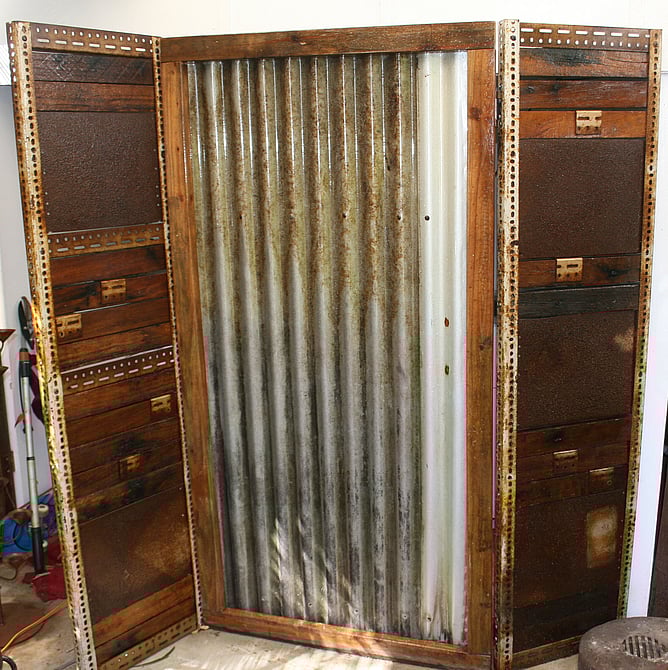
When you visit the op shop or tip shops, look for interesting items, rusted metals, old hinges, or rusted bits and pieces. These go really well when building shabby chic designs and rustic inspired designs. Theres nothing worse then seeing new flashy metal on a rustic inspired design. Even if your not designing something yet, it'll be much easier if the parts are already in your craft locker when inspiration hits, so the trick is to definately buy before the urge to create hits.
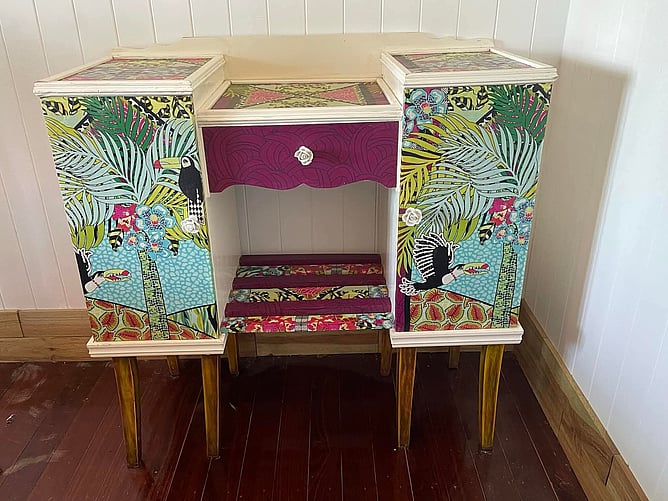
Its not only about doing whats right for our plannet, its a load of fun transforming old relics into glorious new trendy items for peanuts. The cupboard above the total spend was about $50, now l don't know about you, but l would buy that in a store for at least $600, not that l'd be able to find it at any where that cheap. But you get my meaning, why have what everyone else has when you can build yourself an original piece!