UNDERSTANDING MATERIALITY
UNDERSTANDING MATERIALITY
So, this lesson post is about recycling even the simplest of materials, if you know and understand that that just about anything non organic can successfully be reborn into something else then you were born to be a recycling artist.
This post will get you understanding just a few ways that materials can be altered for a new look. For a more indepth look, download the lesson above, it is a more comprehesive look into this topic.
Think about the simplest of materials, paper for example, it comes from a tree, gets turned into pulp, then ends up anywhere from a piece of paper to a house brick.
Paper can be transferred in numerous ways by millions of people. A writer uses a paper sheet, an artist may use paper pulp to create 3D objects turning them into sculptures, designers use paper to create light covers and novelty dresses.
This is how materiality of a material comes into play, it's about taking a material substance and turning into something far reached from what it was originally. The more you can do that, the more successful or interesting your outcome will be.
So, lets take a look at how to change materials.
Remember, download the full lesson for full picture content
Here are some experimental ways
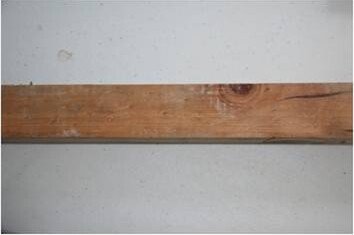
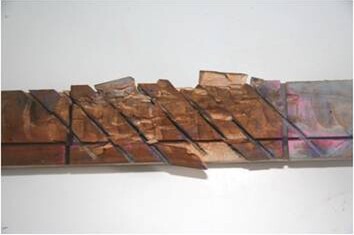
Process Broken – Breaking the wood with force gave the wood a splintered appearance and a rough texture.
Cut with a saw – Gave the wood a decorative edge that could be useful in making totem poles or tribal poles.
Covered with chalk – Covering the wood in chalk was good as it allowed the grain of the wood to be highlighted but not lost completely.
Wet with oil – Allowed for deeper colour and richer appearance. Belted with a hammer – Added a sense of urgency and fragility to the wood.
Material Investigation – Plastic matting
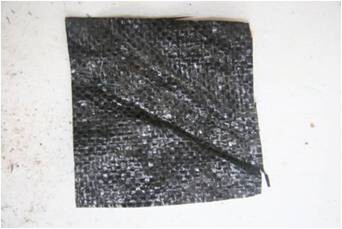
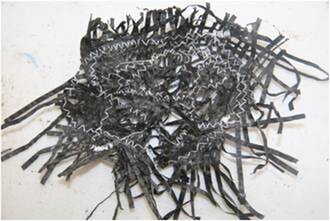
Process Un-woven – Un weaving the plastic gave it a softened look Sliced with a knife- gave the plastic the look of fragility, in taters, weakened.
Sewn – gave the plastic a bitter quality, a look of trying to hard, a sense of immortality so to speak.
Material Investigation - Rope
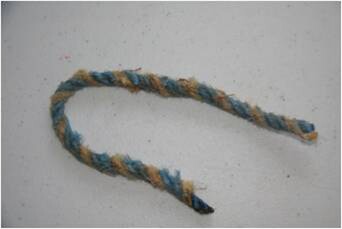
Knotted- Gave a sense of closure, a coming together, unity, strength.
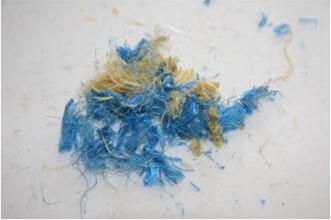
Cut with scissors- Gave a whimsical feel, freedom, fluffy, spontaneous.
Material Investigation – Old Record
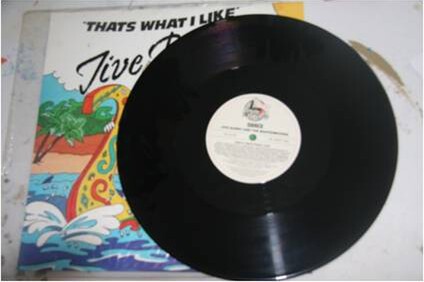
Paint added- gave a solid surface look, a masking effect, hidden, changing the record from looking like a record to looking like anything that could simply be painted, it is now ordinary.
Scratched with a knife – gave the record more edge and allowed that special record quality to
re-enter .
Melted to reform a basket – The record was melted over a flame and reformed into the shape of a basket, so it has now changed its meaning from a musical item into a fruit bowl.
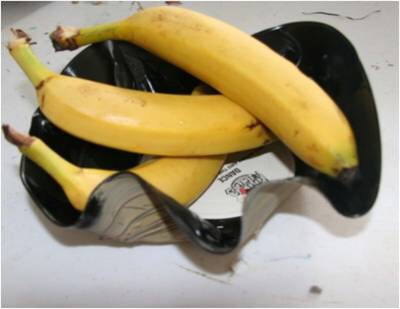
Material Investigation - Pencil
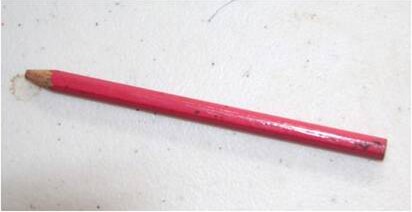
Cut- Cutting the shavings did not alter the appearance or meaning at all, the shavings are now finer cuttings.
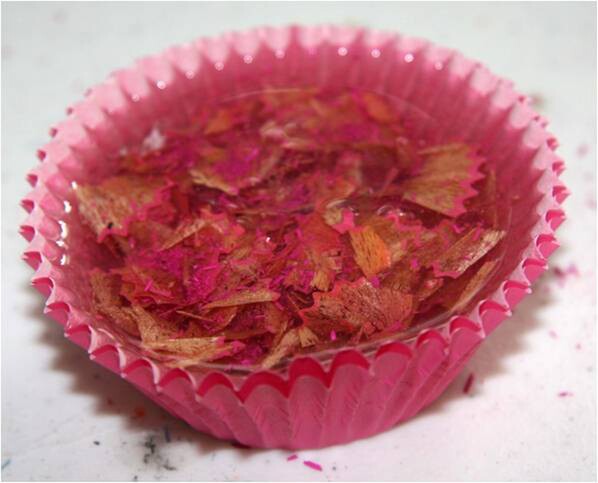
Glass resin – Adding the cuttings into a patty pan case and adding glass resin took the cuttings to a completely new meaning again. The cuttings encased in resin now resemble toffee as the pink lead shavings mix colour into the resin. What once was a pencil now looks good enough to eat! What is not captured here is that the wood swelled and when dried this toffee actually looked like a muffin, for real!
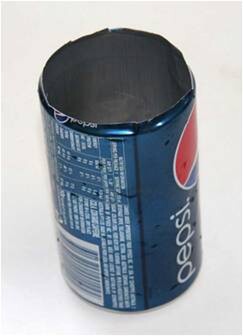
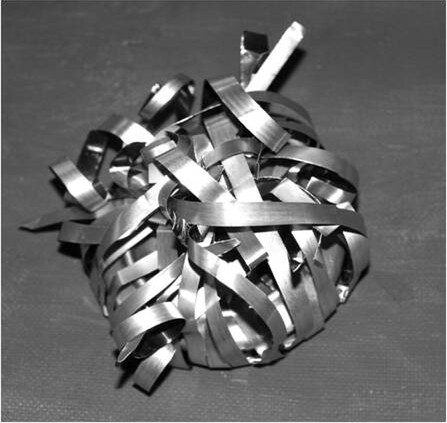
Material -Pepsi can
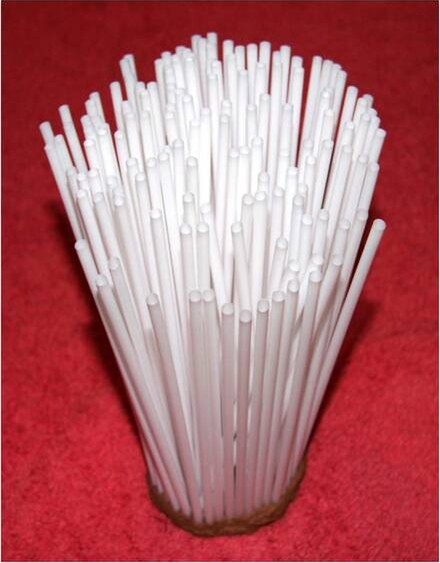
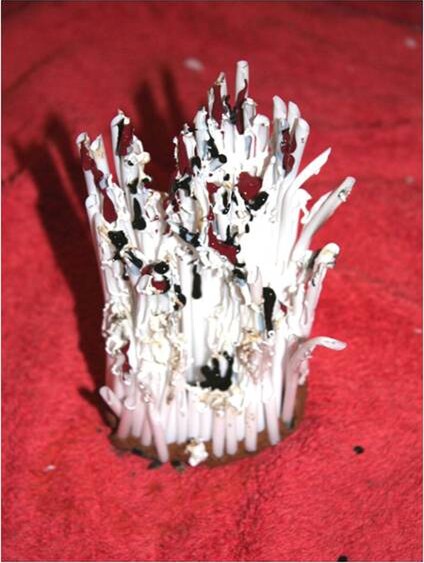
Material -Plastic drinking straws
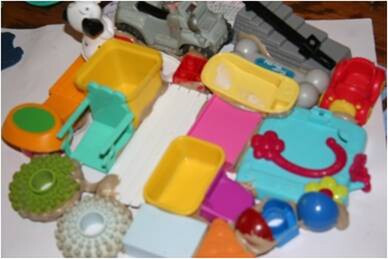
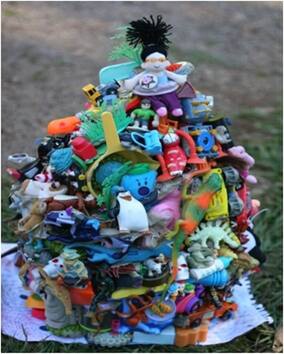
Material- Old Toys
Idea – to use plastic toys found at the refuse or opp shops and transform them from a child's toy into a sculpture for adults.
Concept – Glue toys together using strategically placed toys to fit intricately together in order to showcase the toy at it's best angle and so it fits with the scheme and visual appeal of the structure, but to also promote durability and strength within the sculpture.
Material – Water
Material - Light