Shibori and Indigo Dyeing
-100gms Synthetic Indigo Dye in powder form
-100 gms Sodium Hydrosulphite
-50gms Caustic soda (Supermarkets generally carry this, if not then try hardware stores
-Stainless steel pot (Large 5lt variety – Go to opp shops or tip shops).
-Bucket or a large tub -
-Measuring cup (old one because you can't use it later for cooking)
-Gas stove (camping stores, large stores like k-mart and Bunnings have these very cheap)
-Wooden stick, pole, old wooden spoon (remember you can't use the wooden spoon afterwards)
-Fabric ...pre-washed linen, cotton, rayon, silk, the lighter the better so try for white.
-Strong thread that will not easily break (Crochet cotton or polyester thread is good and a needle that will fit it.
-String, twin, thread, rope, wool (anything strong that you can wrap around the fabric)
-Scissors, pins, masking tape, unpicker, and clamps or two identical shaped objects such as wood pieces that can be used as clamps.
Elzinga Art advises: TIPS FOR SAFETY
Personal Safety – Chemical dyes can be hazardous to your health and due diligence should be maintained whilst in contact with dye.
Personal protection via gloves, apron and other protective clothing should be worn to avoid chemicals coming into contact with your skin. Dyeing should be done in rooms where ventilation is good to minimize inhalation.
Whilst in contact with chemical dye formulations:
Never use in areas where food is stored or cooked, if need be purchase a small camper
stove they are very cheap from camping stores usually under $16, and worth the investment.
Always use protective clothing.
When using chemical powders wear a dust mask to avoid breathing in harmful dust.
Always store your left over dyes securely where young children or animals can not get them.
Shibori and Indigo Dyeing – Binding work
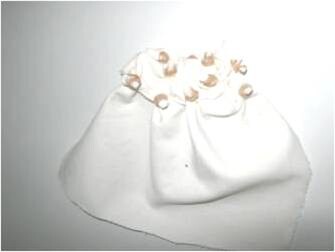
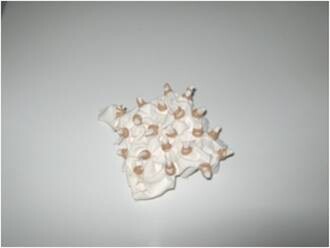
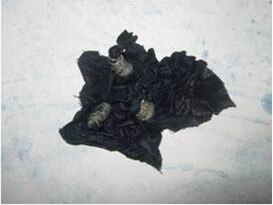
Let's see the finished sample.
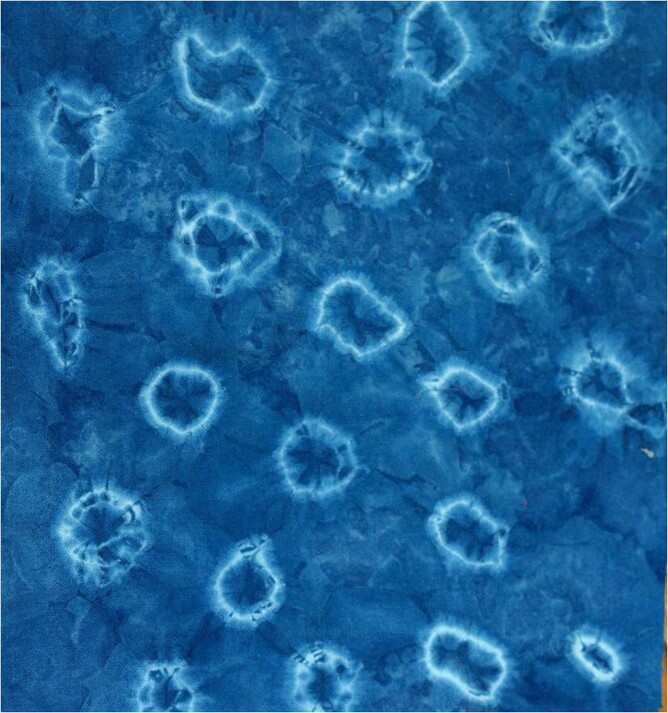
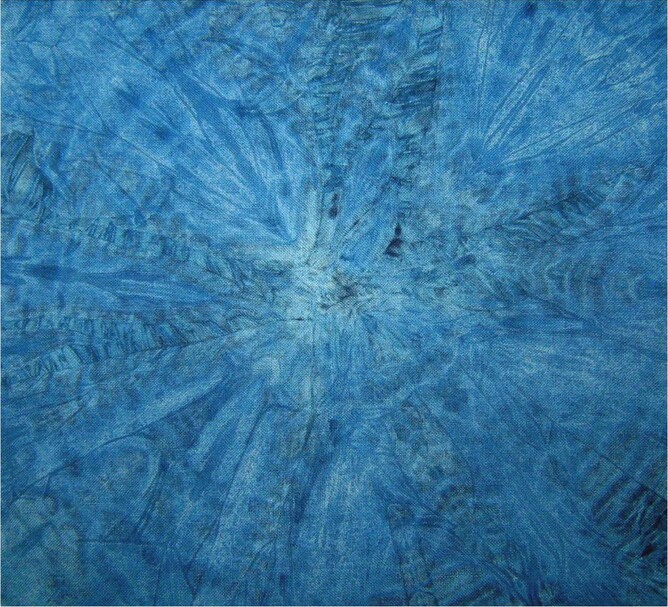
The fun part is opening your fabric and seeing how your marks went. This one was opened straight away whilst wet.
Shibori and Indigo – Rubber Band Binding work 2
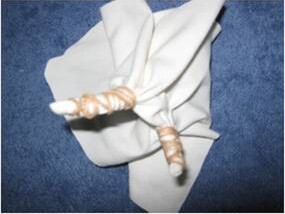
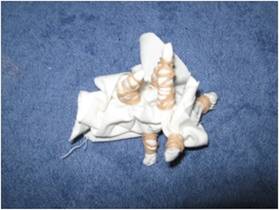
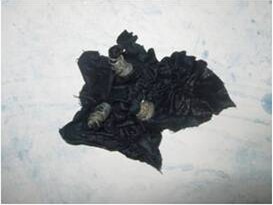
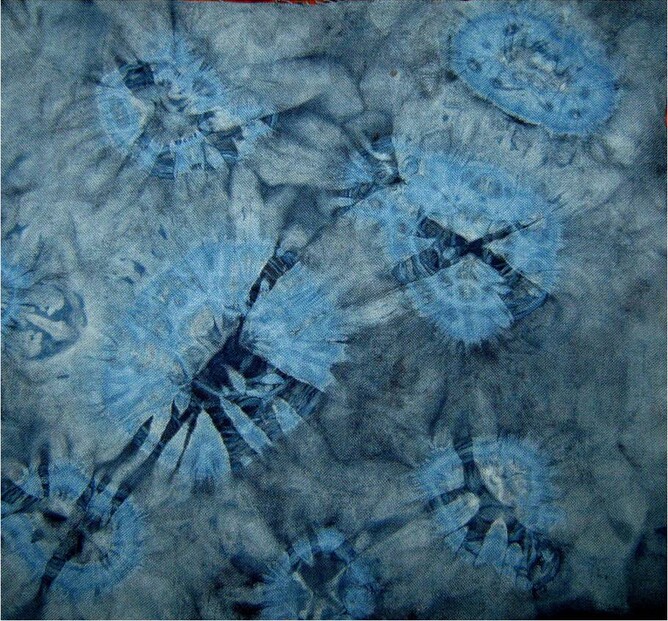
Shibori and Indigo – Binding work - Wrapping
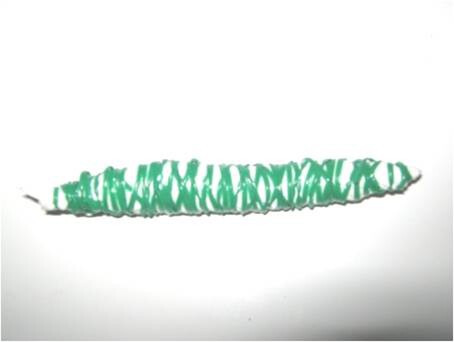
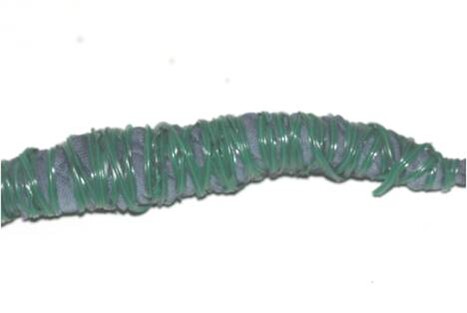
Shibori and Indigo – Pleating work 1
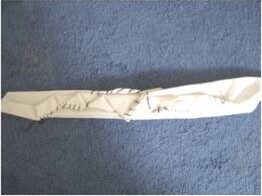
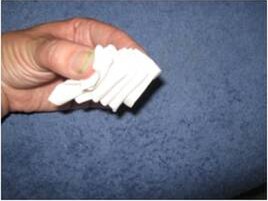
Take your fabric length and make a fold, now fold it back the opposite way, your fabric should end up looking a bit like you could play it like an xylophone.
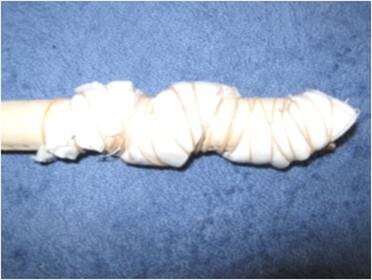
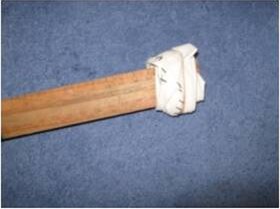
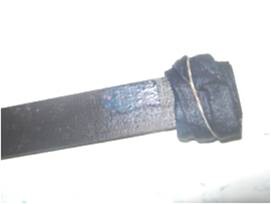
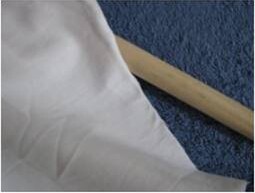
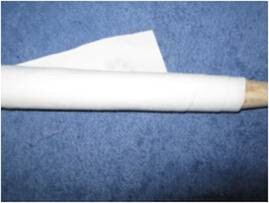
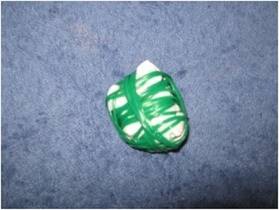
Once you have it folded back and forth wrap the folded fabric around a wooden stick, l found an old cricket stump, but you could use a wooden broom handle or even a good strong straight stick . Secure your fabric on with some twine or strong string.
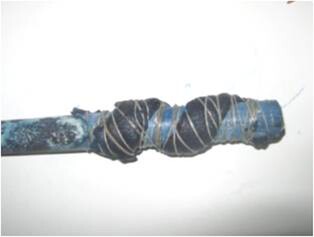
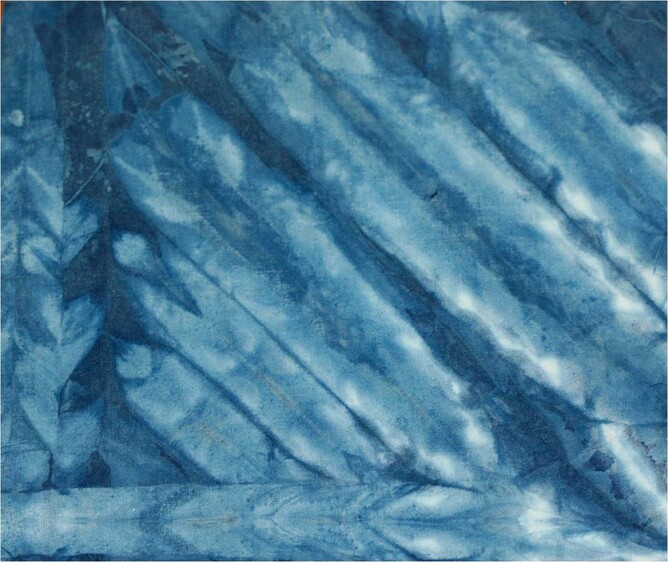
Add it to your dye, you can experiment with how long it is left in the dye by doing a few different ones, remember how different the rubber band tests earlier looked when different time lengths were taken.
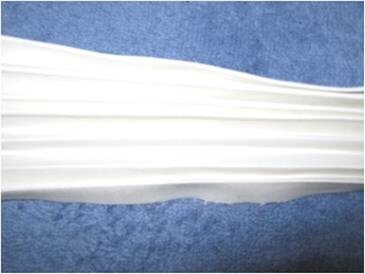
Pleat the fabric by folding it back and forth in a zig zag fashion.
.
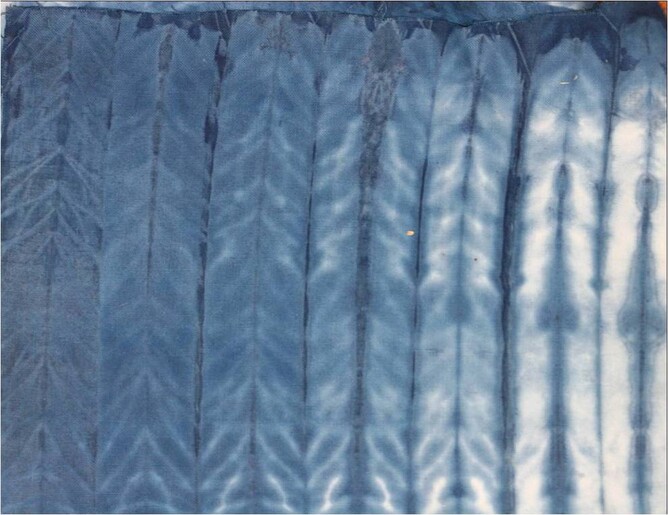
Shibori and Indigo – Pleating work 2
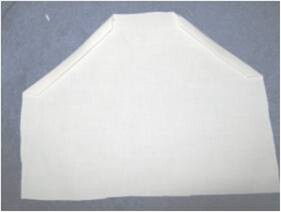
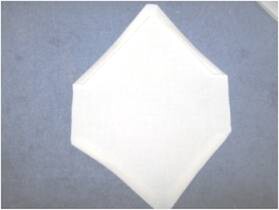
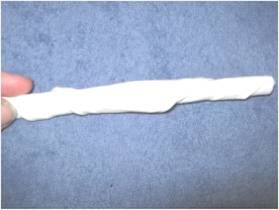
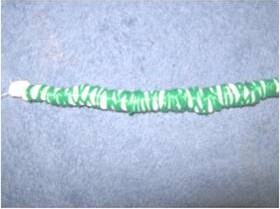
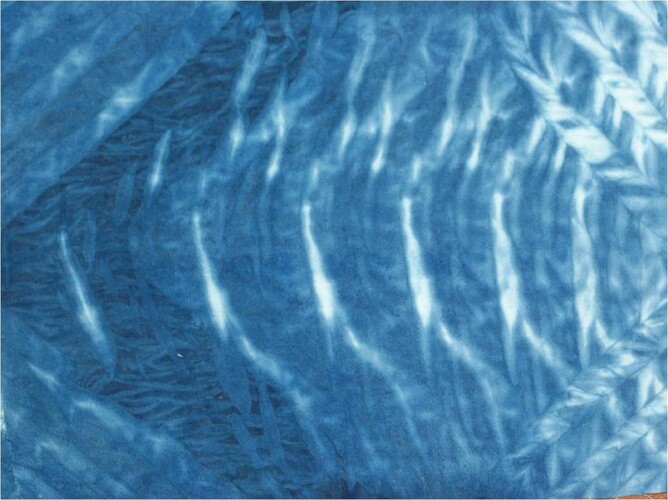
Shibori and Indigo – Pleating work 3
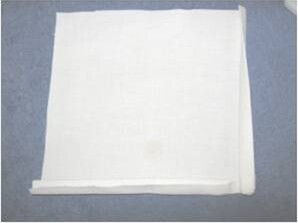
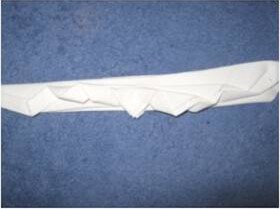
Shibori and Indigo – Folding and clamping work 1
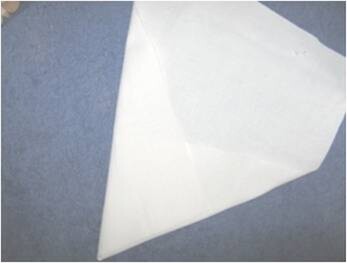
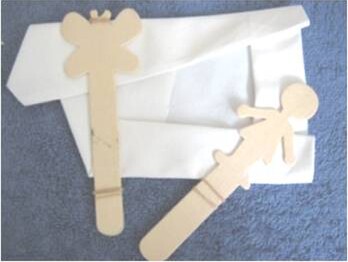
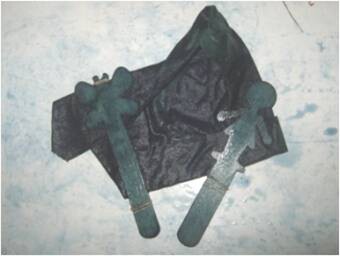
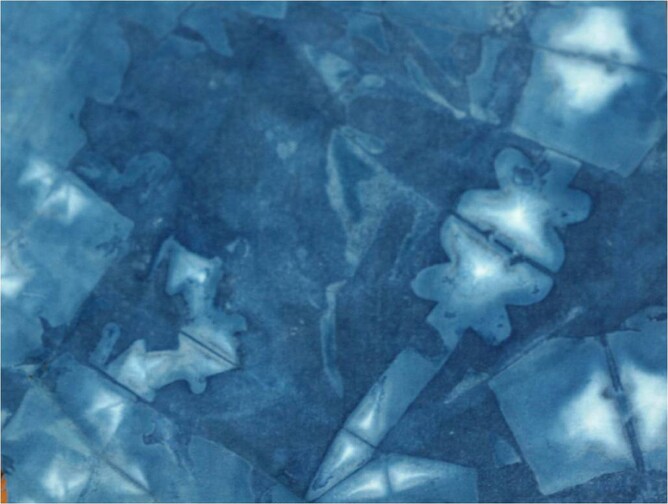
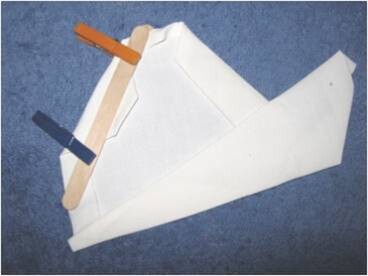
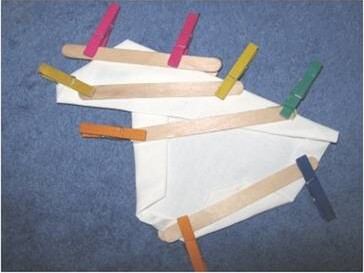
Fold your fabric, in any way it doesn't really matter and add in some wooden items, in my example l found craft pop stick people and a butterfly so l went with those, but you could use anything that has a shape to it made from wood.
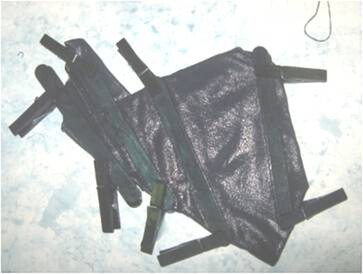
Add those items into your folds making sure they are secured within the fabric and into the dye you go.
Let's check it out.......
Let's try another one.....
Shibori and Indigo – Folding and clamping work 2
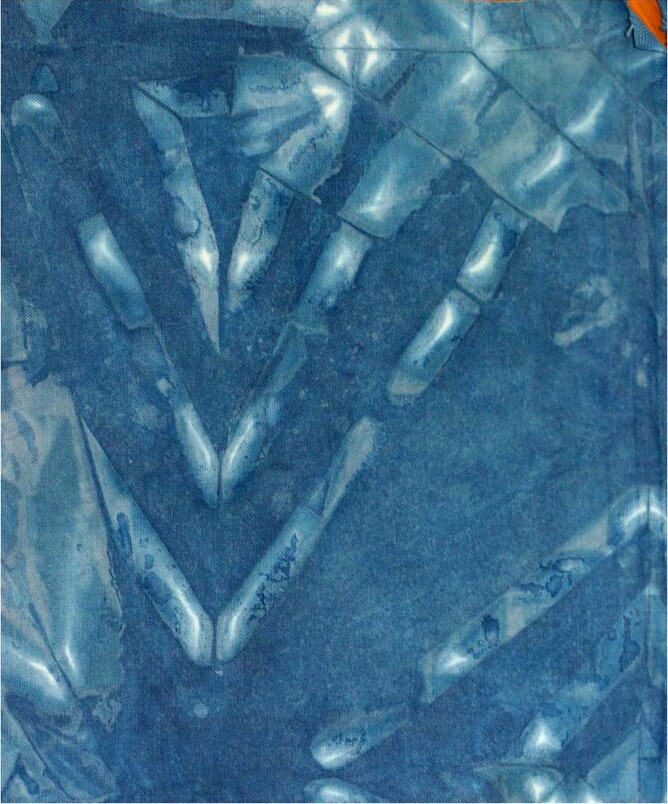
Let's see how it went.....
Shibori and Indigo – Folding and clamping work 3
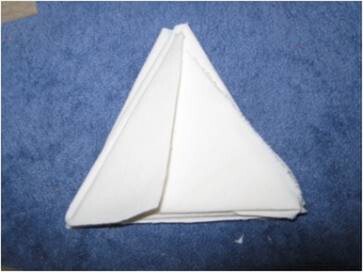
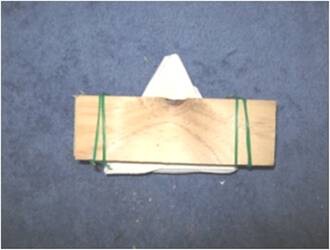
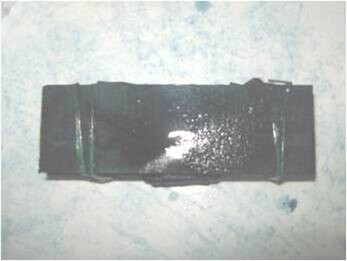
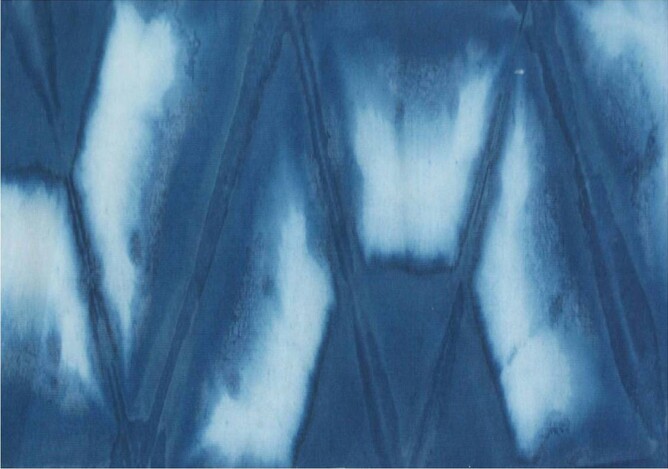
Coming up next is Wrapping but first let's just do one more....
Shibori and Indigo – Folding and clamping work 4
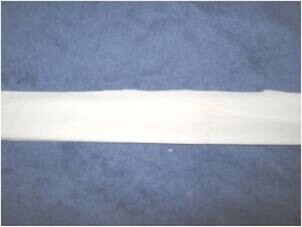
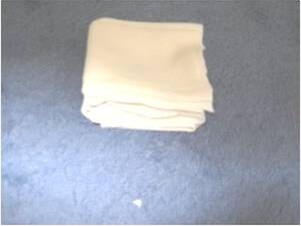
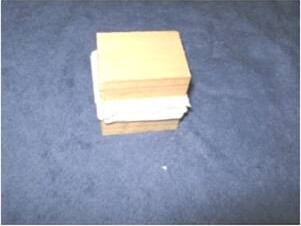
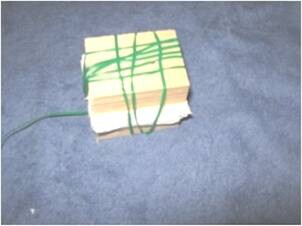
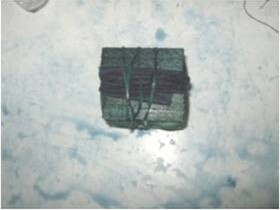
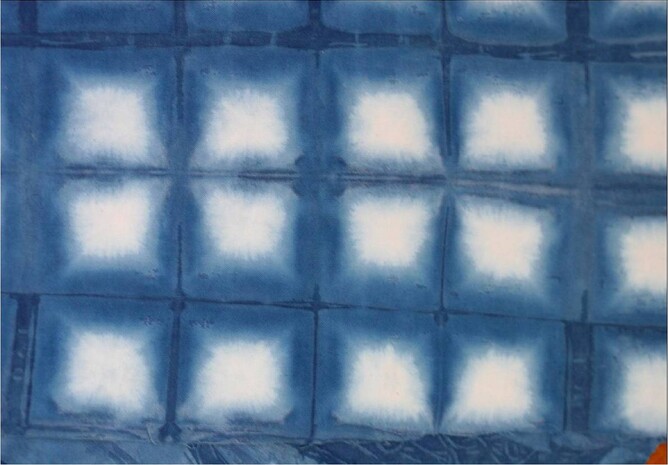
Shibori and Indigo – Pole wrapping work 1
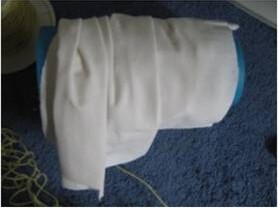
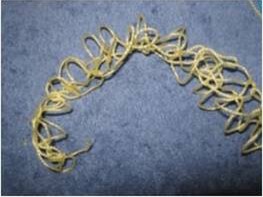
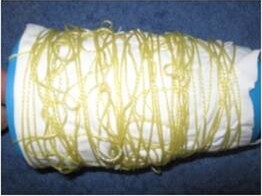
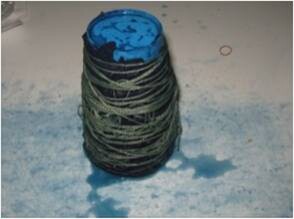
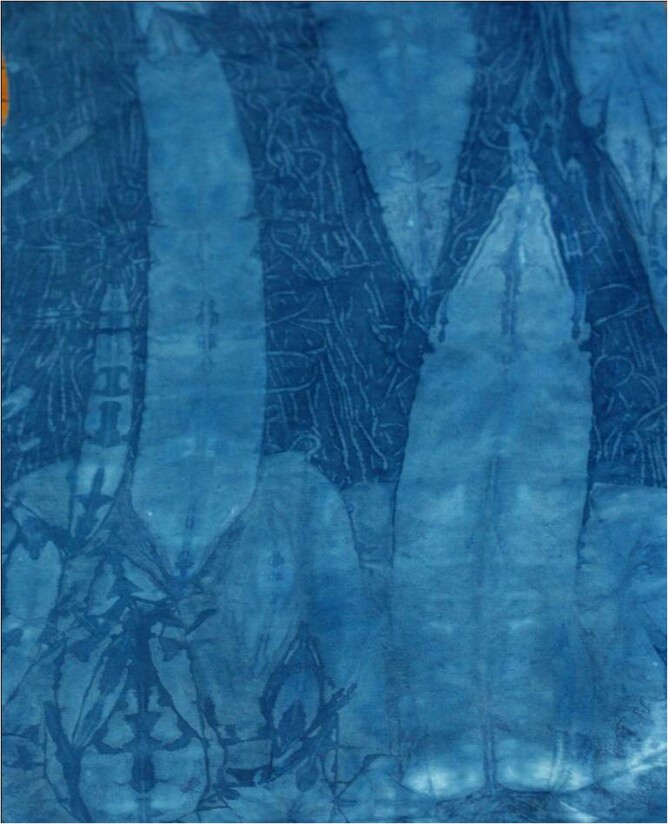
Let's try another one....
Shibori and Indigo – Pole wrapping work 2
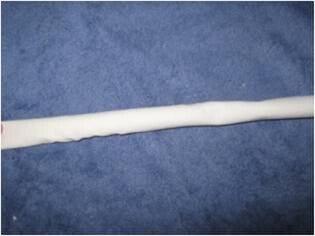
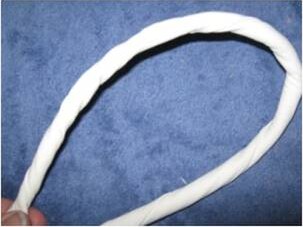
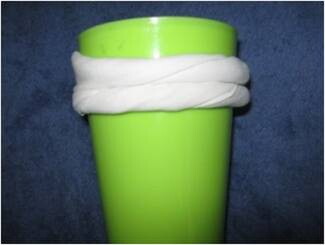
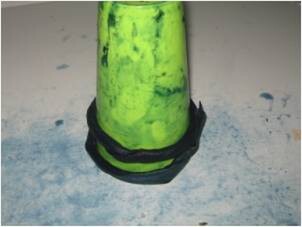
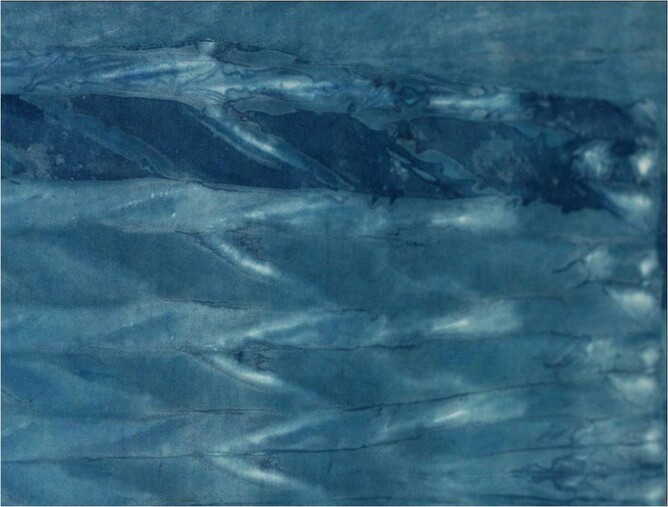
Shibori and Indigo –Combination process....experiment 1
Shibori and Indigo Combination process experiment 2
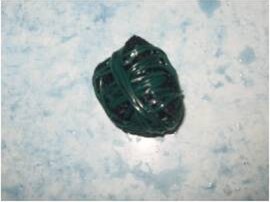
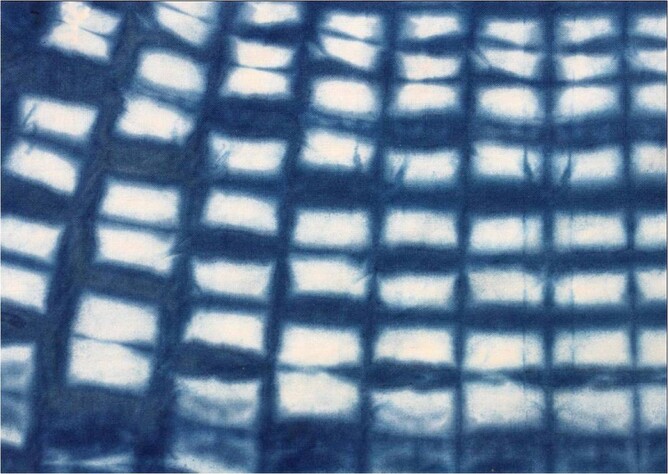
Let's try another combination process....
Shibori and Indigo -Combination work – Experiment 3

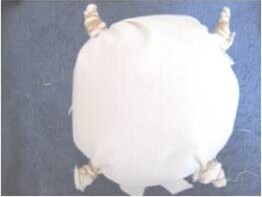
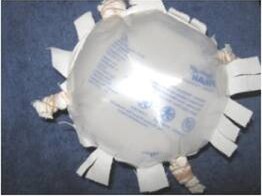
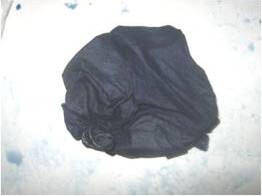
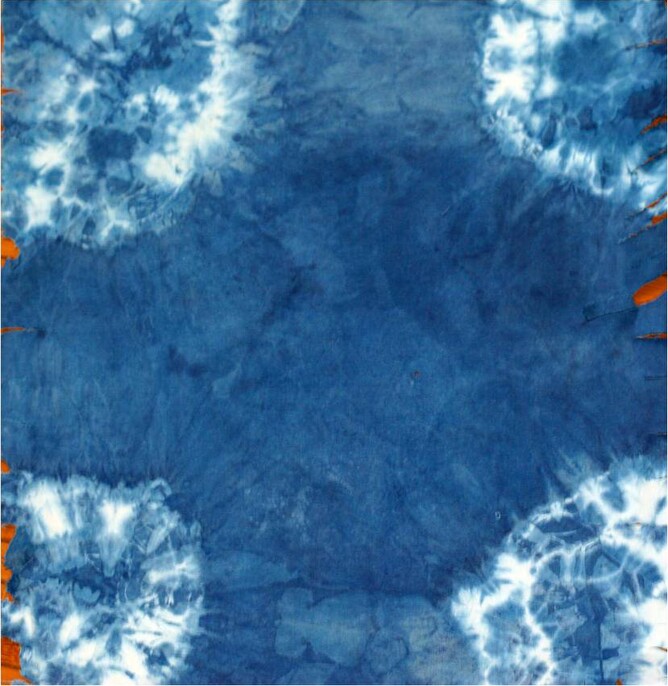
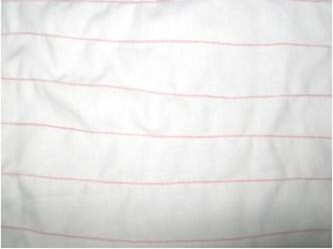
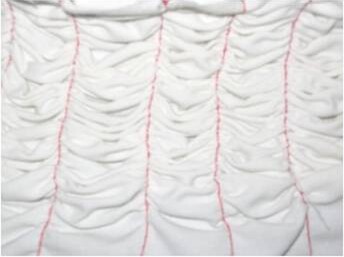
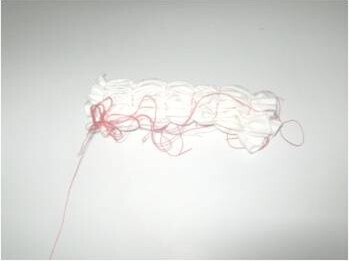
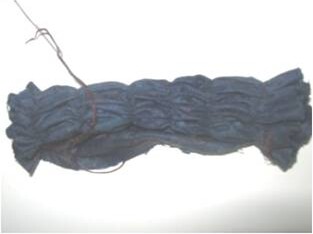
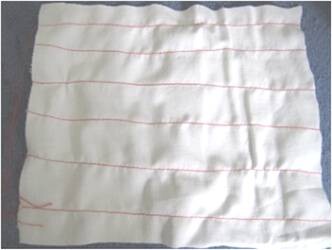
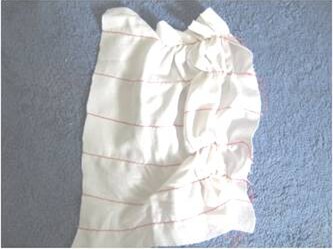
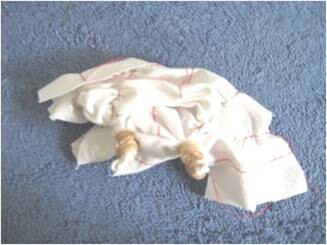
Shibori & Indigo –Sewing Sample 1
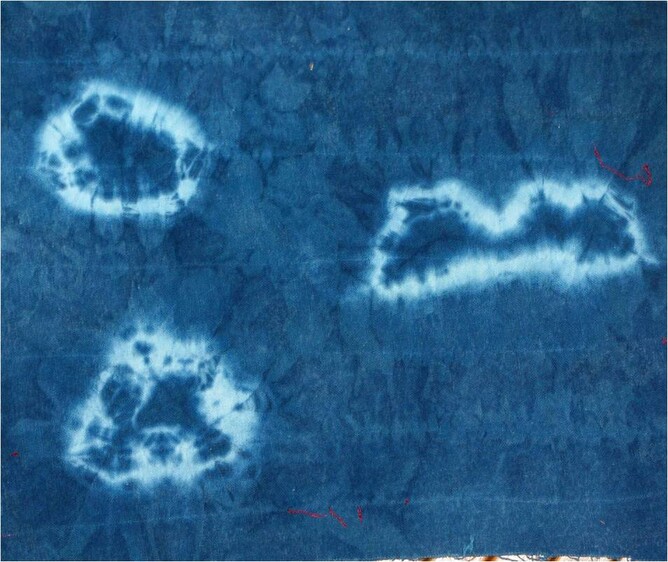
Let's see the result...
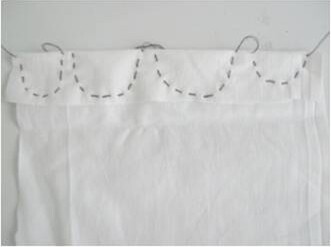
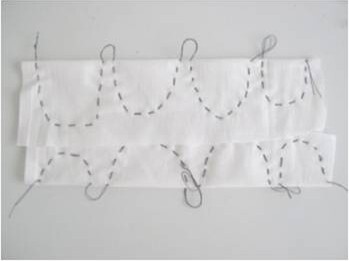
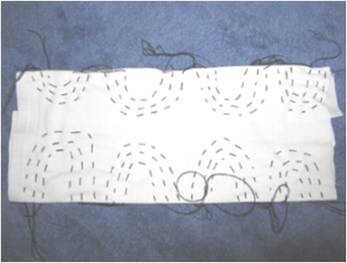
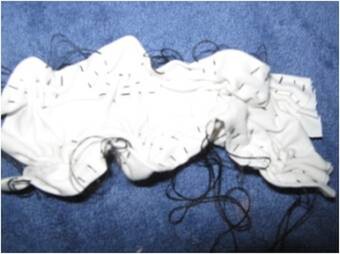
Let's see the result...
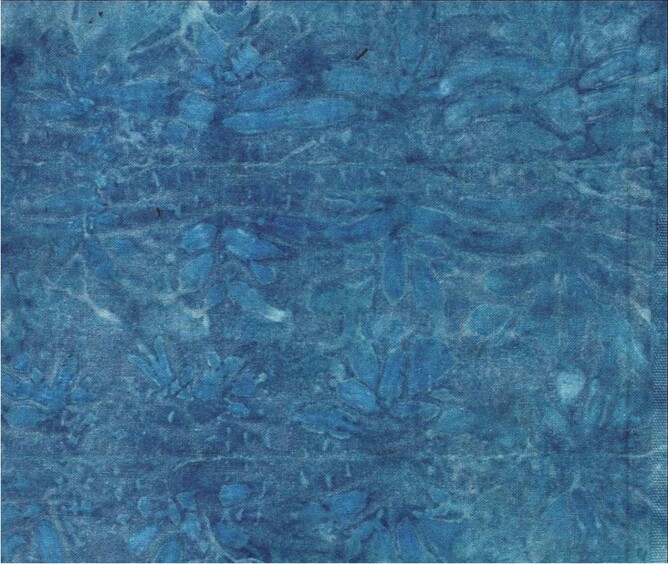
Shibori & Indigo –sewing Sample 2
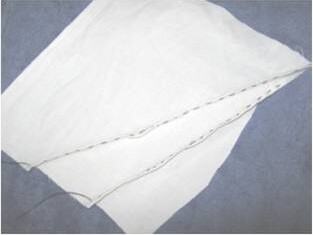
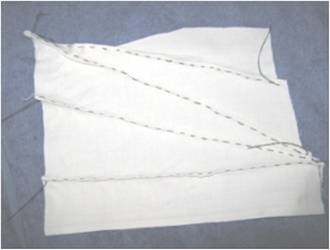
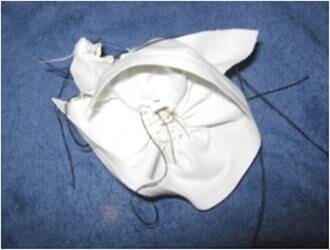
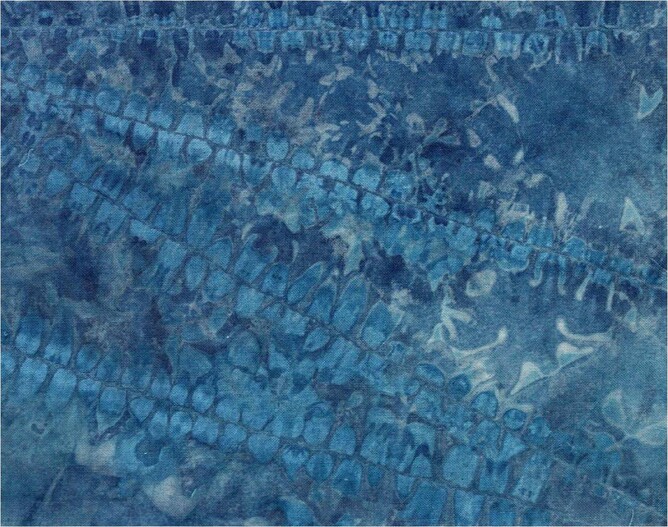
Shibori and Indigo – Sewing Sample 3